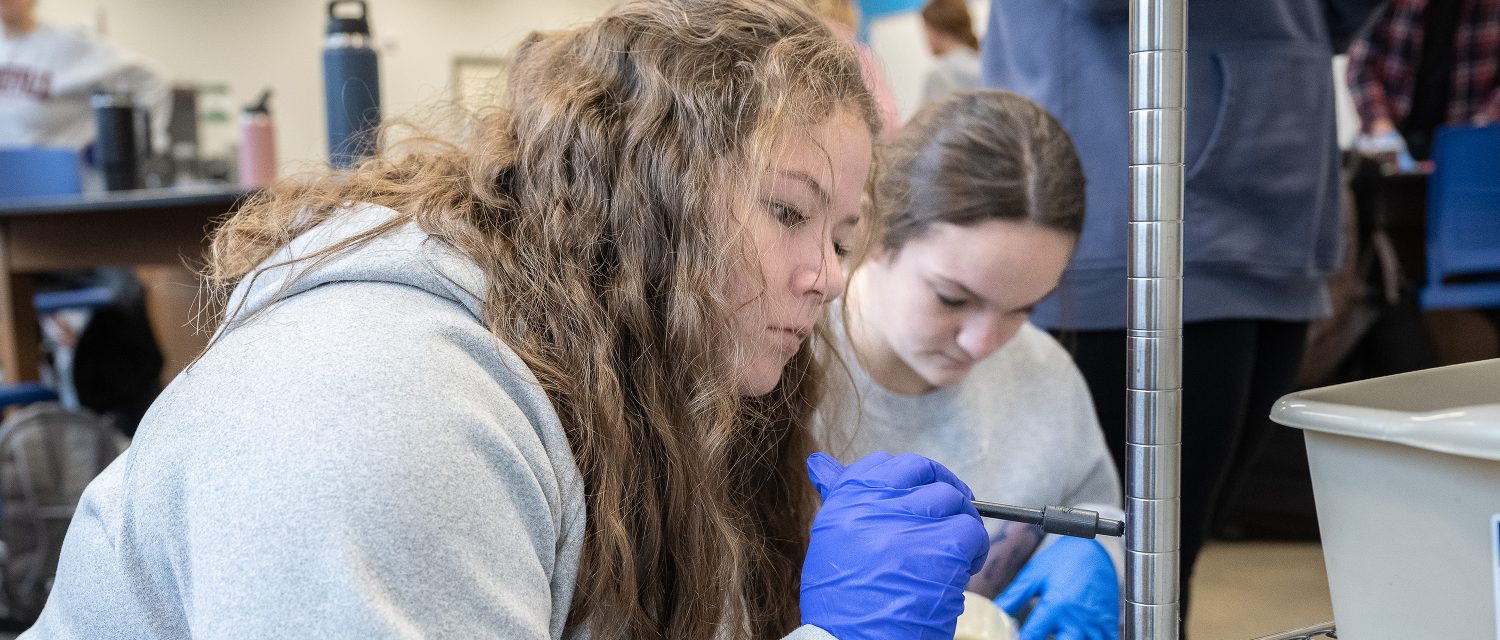
In the Franklin College Department of Sociology, you can learn how to study social situations, work with data and apply theoretical insights. You can be informed, knowledgeable and wise — prepared for a wide range of careers. If you are curious about how people get things done, then sociology is the discipline for you.
Why Sociology at Franklin College?

Department Highlights
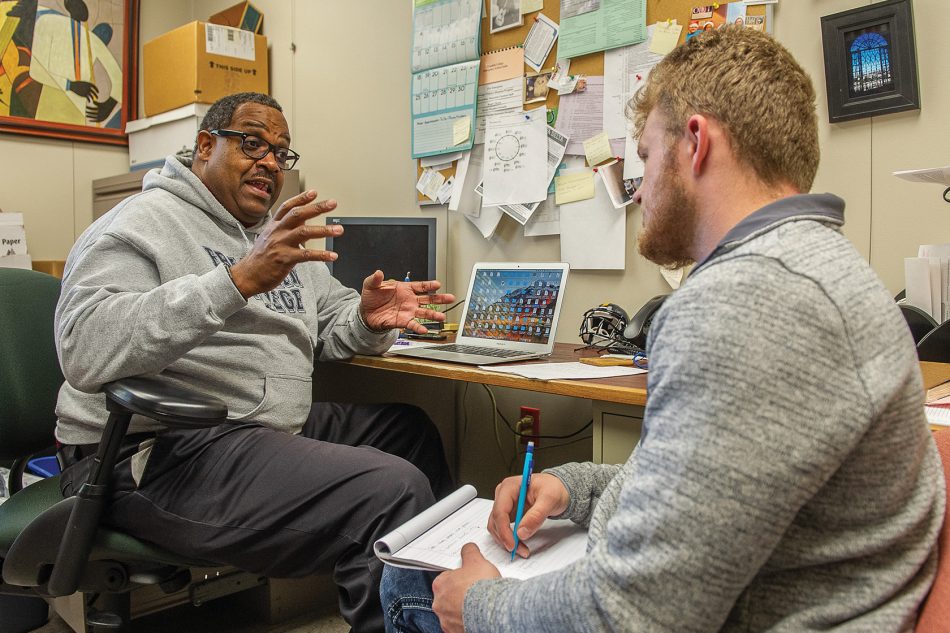
Sociology is one of Franklin College’s most popular majors. In part, because students can easily combine sociology with another major, like biology, journalism or math. Having a double major will make you more valuable and unique in the job market.
- Each sociology professor has a degree in some other discipline (i.e., geography)
- Many sociology courses satisfy requirements for other disciplines (i.e., business)
- Sociology offers courses on institutions and processes (i.e., sports and globalization)
People, who love learning about other people, major in sociology. The sociology department faculty nurtures our students’ love of learning by encouraging them to study off-campus and overseas.
- Every sociology major completes at least one internship
- Most sociology majors tour at least six prisons
- Many sociology majors study overseas
- Some sociology majors have spent a semester abroad (Ireland, France, and elsewhere)
While some sociology graduates pursue advanced degrees, most immediately begin working after graduation – usually as police, parole and probation officers as well as business people, public servants and nonprofit employees. Sociology graduates prosper.
- Over 90% of sociology majors obtain jobs within a year of graduation
- Over 30% of sociology graduates work in private businesses
- Over 20% of sociology graduates work in social service agencies
- Over 15% of sociology graduates work in law enforcement
- Over 5% of sociology graduates enroll in postgraduate studies
- Alumni often say the sociology department prepared them well for life after college
Study gender, race, inequality and their impact on social systems.
Download the Sociology Major HandoutCourse Catalog
Choose Your Path
Students who choose to study sociology at Franklin College can pursue a major in Sociology with an optional criminal justice emphasis. Sociology and Nonprofit Leadership are also available as a minor.

Women's Study Program
Women’s Studies Individualized Minor
Students can minor in Women’s Studies by proposing a 15-credit hour plan. This plan includes WST 101 (required), Introduction to Women’s Studies, and courses and coursework in other disciplines that focus on issues of relevance to women’s studies (e.g., Women and Leadership, Women Photojournalists). Upon approval and completion of the proposed individualized plan, the minor appears on the student’s transcript.
Learn more about Sociology
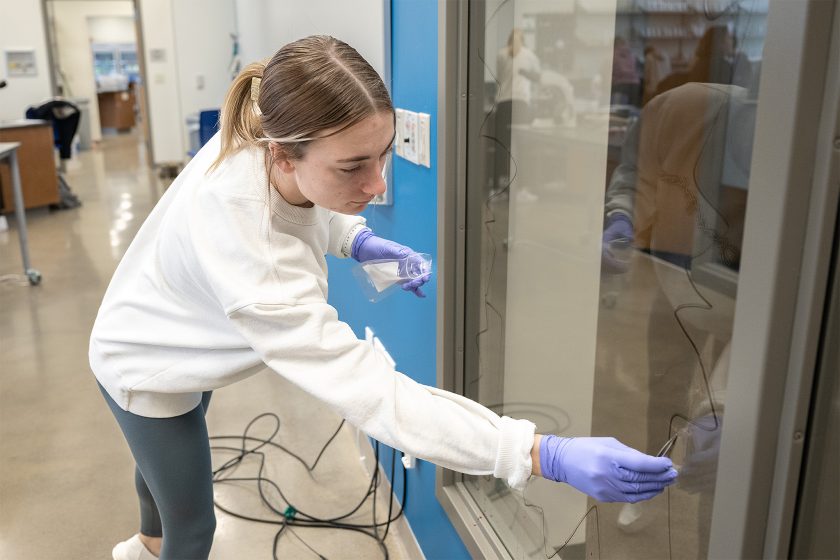
The Franklin College Department of Sociology teaches students to analyze social situations using scientific theories and methods.
Because most of our students become business professionals, social workers and police officers, the Department of Sociology teaches them to use sociological tools to address real-world issues. Sociology graduates can calculate ROI, design satisfaction surveys, and evaluate offender re-entry programs. They can diagnose problems and implement solutions.
Sociology enhances lives beyond careers. What students learn in courses, such as Marriage and Family, may help them interact with their own children and parents. What they learn in Organizations may make them more successful clients or patients. What they learn in Criminal Justice may increase positive encounters with police. What they learn in Sociology of Sport may make them better youth coaches.
Student-Learning Outcomes
To someone with only a hammer, every problem looks like a nail. Sociology students acquire a range of social science tools, so that they can find the right solutions. Student-learning outcomes are what goes in the tool box.
- Students learn to explain the theoretical links between social interactions and individual behavior.
- Students learn to select appropriate methods of data collection and analysis to address social issues.
- Students learn to evaluate social inequality, especially in terms of stratification, mobility, and agency.
- Students learn to analyze social institutions, particularly the social service and criminal justice systems.
- Students learn to read and write academic research reports as well as position papers and policy proposals.
- Students learn to present themselves as professionals, especially in their dress, language, and achievements.
- Most of all, students learn how to learn. They will learn to acquire, assess, and apply up-to-date information.
Want to explore your fit at Franklin College? Here are some next steps.
Come for a Visit

Apply for Admission

Contact Admissions

Meet Our People
Meet the talented professionals who will help guide you on your sociology journey.


Department of Sociology
Address
Contact
Hours
Monday - Thursday, 8 a.m. to 5 p.m.
Friday, 8 a.m. to 4 p.m.